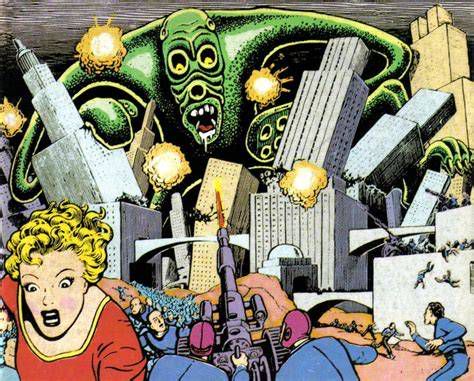
Basil Wolverton stands as one of the most iconic and singular figures in American comic art-his unique approach to grotesque humor and satirical illustration forever altered the landscape of cartooning, especially through his unforgettable contributions to Mad Magazine. Renowned as the "Michelangelo of Mad," Wolverton's work continues to fascinate and influence generations of artists, combining technical mastery with eccentricity and fun that defined the subversive, countercultural charm of Mad itself.
Early Life and Artistic Formation
Basil Wolverton was born in 1909 in Central Point, Oregon. Despite having no formal art training, Wolverton loved to draw since childhood, influenced by artists such as Milton Caniff, Al Capp, Roy Crane, Ed Dodd, Hal Foster, Rube Goldberg, E.C. Segar, and Sidney Smith. At just 11, he sold his first cartoon, and his debut in America’s Humor in 1926 featured a surgeon cartoon-already showcasing his dark comedic instincts. After high school, Wolverton worked for the Portland News as a reporter, film critic, and staff artist. In 1928-1929, he attempted to syndicate 'Marco of Mars', but its similarity to 'Buck Rogers' prevented its publication. In 1938, Wolverton entered the comic book market, his oddball early work soon standing out among peers like Boody Rogers and Fletcher Hanks.
Breakthroughs: Powerhouse Pepper, Spacehawk, and Lena the Hyena
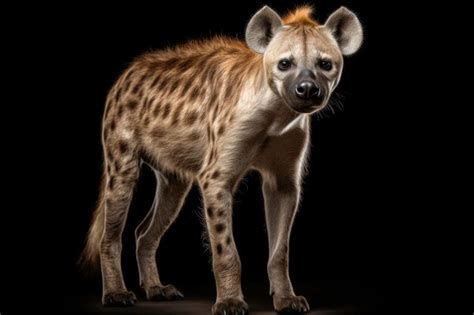
Wolverton's eccentric humor flourished with strips like 'Powerhouse Pepper' (1942-1952)-his super-powered, not-too-bright boxer character-and 'Spacehawk' (1940-1942), both of which granted him ample space for slapstick action and wordplay. Yet his true national breakthrough came not through comics, but thanks to a contest held within Al Capp's 'Li'l Abner'. In 1946, Wolverton’s drawing won the contest to visualize Lena the Hyena, the “ugliest woman in the world.” His depiction-a lanky hag with menacing, exaggerated features-became an icon, subsequently featured on the cover of Life magazine and soon Mad Magazine.
- ‘Powerhouse Pepper’ showcased Wolverton’s knack for slapstick and absurdity.
- The Lena the Hyena contest so captivated the nation that judges included Frank Sinatra, Boris Karloff and Salvador Dali, with Wolverton’s rendering eclipsing thousands of entries.
Basil Wolverton and Mad Magazine: The Spaghetti & Meatballs Era
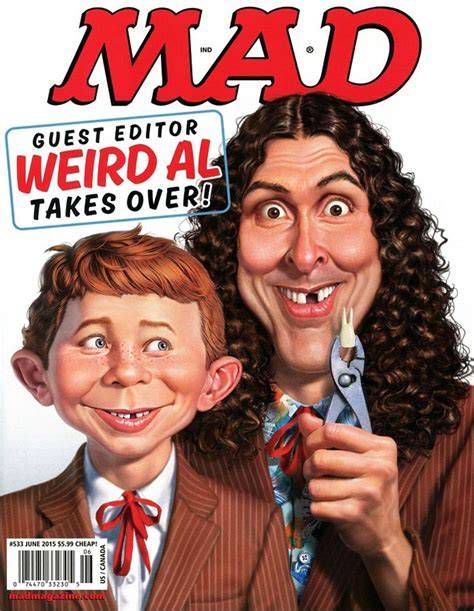
Mad Magazine, originally a comic book launched in 1952 by EC Comics, was the epicenter of American satire and irreverence. Written by Harvey Kurtzman and drawn by artists like Jack Davis, Wally Wood, John Severin and Bill Elder, Mad quickly became a hit. Wolverton contributed about a dozen times to Mad, but his instantly recognizable "spaghetti and meatballs" style cemented his reputation. His first Mad appearance was a punchline panel in Mad #10 for a parody of “The Face Upon the Barroom Floor,” after which Mad #11 featured his legendary cover-a parody of Life magazine with an absurdly hideous hag, which is still arguably Mad’s most iconic cover.
- Wolverton’s spontaneous, bizarre depictions defined the magazine’s outrageous humor.
- Mad #11’s cover not only shocked readers but threatened the real Life magazine with legal action!
- Wolverton’s art also appeared in inside articles like “The Mad Reader” and “Meet Miss Potgold”, giving Mad’s readership the full taste of his grotesque genius.
Though his output for Mad was low and irregular, Wolverton was forever associated with its golden years. His notable Mad works include 'Dining Etiquette Quiz', 'What They're Saying Around The Solar System', 'Mad Hats', and 'Inside Story (Famous Stomachs)'.
Artistic Methods: Grotesquerie and Innovation
Wolverton’s caricatures and diagrams went far beyond conventional cartooning. His self-described “Producer of Preposterous Pictures of Peculiar People who Prowl this Perplexing Planet” created art that was polarizing-many dismissed his work as ugly, but closer inspection reveals a calculated, balanced style. He never used a brush, preferring pen and ink, producing highly unique drawings whose zaniness and elasticity echoed the animated cartoons of Tex Avery and Bob Clampett. His infectious sense of fun made his work naturally attractive to children and teenagers, mirroring their own awkward bodily changes in a humorous way.
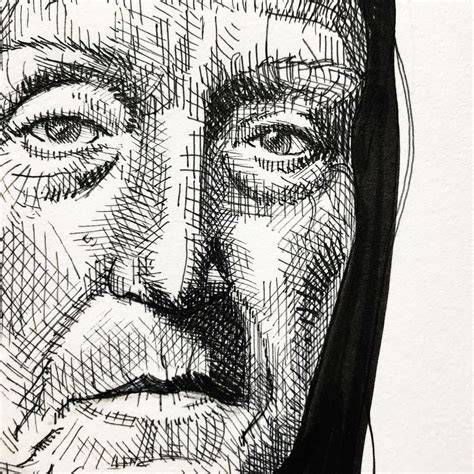
- Meticulous cross-hatching and obsessive rendering of detail became a Wolverton trademark.
- Every bizarre deformity was drawn with elegance and innocence, and his characters often seemed delighted by their own ridiculous appearances.
Influence and Cult Status: Underground Comix & Fine Arts
Wolverton’s shadow looms large over the comic art world, influencing Robert Crumb, Bill “Zippy” Griffith, Kim Deitch, Trina Robbins, Diane Noomin, and countless others. His contorted, “preposterous pictures” can be traced directly in Crumb’s work-and there’s even speculation that without Wolverton’s Lena the Hyena, many underground comix icons may never have come to exist. Art critic Holland Carter famously dubbed him the “van Gogh of the gross-out” and the “Michelangelo of Mad magazine.” Wolverton’s work was highly original, and though not a household name, his style became a school of cartooning in itself.
| Artist | Influence |
|---|---|
| Robert Crumb | Contorted faces, pathological detail |
| Bill Griffith | Grotesque humor |
| Kim Deitch | Absurd, elastic figures |
Desempaquetando cómics underground raros: ¡Corben, Crumb, Wolverton y Bode! Comix!
Basil Wolverton Beyond Mad: Horror, Science Fiction, and Religious Art
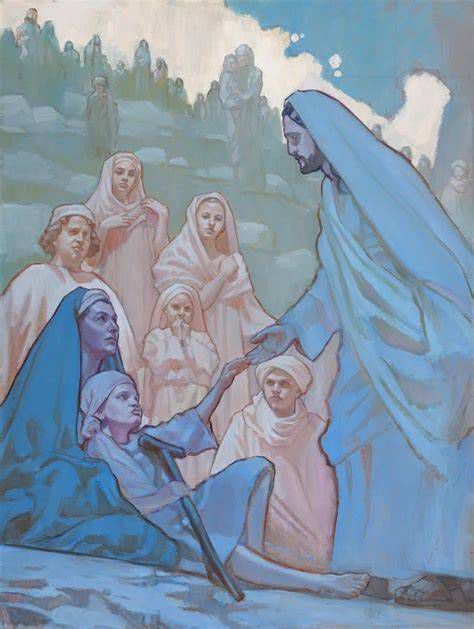
While Mad Magazine cemented Wolverton’s reputation, he also created chilling horror tales for Atlas Comics (now Marvel) and Morse, notable for titles such as ‘The End of the World’, ‘Gateway to Horror’, and ‘They Crawl By Night’. His gift for grotesquerie was used at Topps to create the 'Ugly Hang-Ups' poster series. Later, Wolverton underwent a spiritual transformation, becoming a Born Again convert and Methodist minister for the Radio Church of God, drawing apocalyptic illustrations for evangelical publications and The Bible Story (1958-1972). He regarded his religious artwork as his most important legacy.
- Wolverton’s Old Testament illustrations fused fine-art precision with his distinct grotesque style.
- Monte Wolverton, his son, continues archiving Basil’s works, noting his unique sense of humor and life perspective reflected in the art.
Legacy and Enduring Impact
Since his death in 1978, Wolverton’s cult following has grown, and retrospectives praise his pathological and uncouth style. Though he was a political conservative and religious leader, his art remained gloriously degenerate under Harvey Kurtzman's direction at Mad. He has earned comparisons to Bosch, Breughel, and even contemporary painters like Willem de Kooning for his grotesque masterpieces. Wolverton drew bizarre, despicable creations with elegance, fun, and innocence, making them appealing to both young and old. Precise and innovative, Wolverton’s cartoons have become a touchstone for any study of the history and evolution of American comic art.