«Els intocables de Carles Cases» és un documental creatiu centrat en la vida i la carrera musical de l'artista Carles Cases, un atípic i talentós compositor que va començar la seva carrera al costat del cantautor Lluís Llach i que després es va dedicar al món de les bandes sonores. Creador d’una obra musical lligada sobretot al cinema, les seves composicions evidencien la constant recerca d’un estil, basada, entre altres elements, en l’estudi de la música barroca, romàntica, el rock, el jazz i la música no occidental.
Ранние годы и музыкальное становление
El sallentí Carles Cases va néixer en una casa on es respirava música a totes hores. Als dos anys ja reconeixia les notes. Sentia com les seves tres germanes grans tocaven el violí i el piano. Els pares van decidir per ell que també estudiaria música. El seu instrument seria el violoncel. El piano el va aprendre a tocar només escoltant les germanes.
“Jo ja vaig néixer sent músic”, assegura Cases, però “als 13 anys vaig decidir que volia ser músic”. Estudià al Conservatori de Música de Barcelona, centre on obtingué el títol superior de piano i violoncel. Els seus interessos el portaren a ampliar els seus coneixements a l’estranger i estudià harmonia i jazz per a piano a Harstad (Noruega). Durant els primers anys de la seva carrera musical es dedicà bàsicament a la interpretació de jazz i estigué al capdavant de formacions com Blaumarí o Carles Cases Quartet.
Співпраця з Lluís Llach та перехід до кіномузики
Va ser durant un concert que Lluís Llach va oferir a Borredà, i no va ser ell qui el captivad sinó els músics que l’acompanyaven. Als cap de pocs anys va esdevenir el teclista i arranjador de Llach. Assegura que va ser una de les etapes més maques de la seva vida, amb gires arreu i enregistrament de discos. “Ens respectàvem molt, parlàvem molt de música. El Lluís em va ensenyar molt”. A més, també produí i arranjà obres de diferents cantautors, especialment de Lluís Llach.
Кар’єра у кіномузиці та впливи
En un viatge a Cuba conegué el compositor cubà Alfredo Gómez Alonso, amb qui estudià composició i orquestració. Algunes de les seves bandes sonores han estat aclamades per destacats compositors del gènere, entre ells M. Jarre i P. Doyle, i han acompanyat films produïts tant a Europa com als Estats Units. En aquest sentit, va tenir una trajectòria prolífica com a compositor de referència de les pel·lícules de Ventura Pons i va orquestrar les obres de cineastes com Gonzalo Suárez o Jaime Chávarri.
Entre aquests tipus de composicions sobresurten les d'El río que nos lleva (Antonio del Real 1989), Havanera 1820 (Antoni Verdaguer 1992), Mi nombre es sombra (Gonzalo Suárez 1996), Amic/Amat (Ventura Pons 1998) i Ave Maria (E.).
«Ave Maria» у доробку - походження і формула твору
First of all, the Ave Maria is a prayer. Both words are Latin and mean “Hail Maria (... Catholic Church, addressed to Maria, the mother of Jesus Christ. “Ave” is originally Phoenician-Punic, a language spoken in Carthage on the northern edge of Africa. And back then, it meant “Hail!”. Okay, so the Hail Mary (... Hail Maria) is a prayer. As early as in the 11th century, the first part of this Ave Maria was recited during devotions as part of the so-called Liturgy of the Hours.
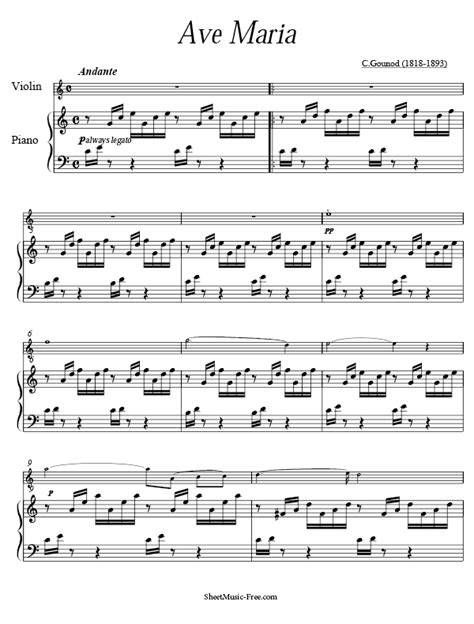
La peça “Ave Maria” amb la qual sovint s’identifica el públic és avui dia el resultat d’una combinació històrica: the harmonic structure and the accompaniment are Bach’s creations, while Zimmerman was probably responsible for some voicing of the additional organ part. Charles-François Gounod’s “Ave Maria” is a curious case in music history - the result of a musical collaboration that expanded through a century.
Johann Sebastian Bach published “Book 1” of “The Well-Tempered Clavier” in 1722. The “Prelude in C major” is the first piece of this collection and is a famous piece among piano students since that time. In 1852, Gounod used to spend several evenings at his Paris home accompanied by his fiancée Anna Zimmermann. One evening, Gounod improvised an alluring melody over Bach’s Prelude in C and was overheard by Zimmermann. Overwhelmed, Pierre rushed into the room and asked Gounod to play it again, and subsequently scribbled down the piece in musical notations.
Перетворення інструментальної медитації на молитву
In 1853, Gounod’s works were published under the name “Meditation on the First Prelude of Sebastian Bach.” This first edition is completely devoid of any song text. Charles Gounod added words to his composition in 1859. However, the first wordings utilized were not “Ave Maria,” but a short poem by Alphonse de Lamartine, titled “Vers écrits sur un album.”
Gounod selected this poem as the text for “Meditation,” and also gifted a copy to his student Rosalie Jousset. However, the gift was intercepted by Aurélie Jousset, Rosalie’s mother-in-law. She found the whole situation highly inappropriate and replied to Gounod with an alternative text under the original poem. It was the text of the popular Latin prayer “Ave Maria.” Gounod understood the hint and subsequently adopted Aurélie’s version.
In 1859, a version of “Ave Maria” was published by Jacques Léopold Heugel in Latin text that was similar to “Vers écrits sur un album.” Also, Gounod’s version of Bach’s prelude included the “Schwencke measure” [m.23] which was allegedly incorporated by Christian Friedrich Gottlieb Schwencke. It was an attempt to rectify what he considered to be a “faulty progression,” although this type of progression was already prevalent in Bach’s music.
Популярність та інтерпретації
With time, “Ave Maria” has become a common fixture at social events, namely - quinceañeras, funerals, masses, and weddings. It also has several different instrumental arrangements, for trombones, cello, piano solo, string quartet, guitar, and violin. In the 20th century, renowned opera singers like Luciano Pavarotti, Franco Corelli, and Nellie Melba have utilized it, and several choirs have recorded it numerous times.
In André Rieu’s interpretation, it’s easy to tell what’s by Bach and what’s by Gounod. Quite simply: piano = by Johann Sebastian Bach. Violin = by Charles Gounod. The fun fact is, this first edition is completely devoid of any song text. Between all the cool, hip, and young artists like Gaga, Fischer, and Beyoncé, J.S. doesn’t always want to be presented in that old Haußmann oil painting.
While Gounod’s composition was a self-commending fine specimen of a Bellini-esque “bel canto,” Bach’s original was comprised of harmonic progressions utilizing broken chords. It was a forecast of the future generation’s gallant style, while also evoking romanticism with its reliance on rippling arpeggios, a fulsome grandeur crying out for cantilena.
Як пов'язаний Carles Cases з «Ave Maria»
Carles Cases, creador d’una obra musical lligada sobretot al cinema, incorpora en la seva trajectòria elements de la música barroca i romàntica, i això connecta estilísticament amb la tradició en què es mou la versió de Gounod sobre Bach. Algunes de les seves bandes sonores han estat aclamades per destacats compositors del gènere, entre ells M. Jarre i P. Doyle, i han acompanyat films produïts tant a Europa com als Estats Units.
Entre aquests tipus de composicions sobresurten les d'El río que nos lleva, Havanera 1820, Mi nombre es sombra, Amic/Amat i Ave Maria (E.), fet que indica que la peça «Ave Maria» apareix en el seu repertori cinematogràfic i en la filmografia amb la qual ha col·laborat.
Тематичні особливості обробок
La versió que Gounod va construir sobre Bach es caracteritza per una melodia lírica superposada a una estructura arpegiada de l’origen preludi de Bach. Aquesta fórmula -melodia vocal sobre un marcador harmònic sostingut- ha estat àmpliament adoptada per arranjaments instrumentals i per bandes sonores de cinema, incloent-hi aproximacions com les que habitualment crea Cases per a diferents films.
Відомі виконавці та сценічні використання
Paul Potts: His Ave Maria thrills "anyway". Helene Fischer, a superstar in Germany, sings the Ave Maria in German. Jackie Evancho: born in the year 2000 and she sings really cool. Without our genius from Eisenach, Gounod would certainly never have been inspired to compose his melody. wonderful works of art based on it. So thank you so much, Johann Sebastian.
In its first performance on April 10, 1853, “Ave Maria” proved to be an irresistible force of melody. It attracted a phenomenal level of acclaim, becoming immensely popular while improving Gounod’s faltering reputation with the contemporary public.
Таблиця: ключові віхи в історії Ave Maria (коротко)
- 1722 - публікація Prelude in C (Bach), основа гармонії;
- 1825 - Schubert компонує пісню, названа «Ellen’s Third Song», що породжує плутанину щодо «Ave Maria»;
- 1852 - Gounod імпровізує мелодію над прелюдією Баха; Zimmermann занотовує;
- 1853 - публікація «Meditation on the First Prelude of Sebastian Bach» (інструментальна);
- 1859 - додавання латинського тексту «Ave Maria» та публікація версії з молитвою;
- XX ст. - численні інструментальні й вокальні аранжування; широке використання в соціальних та релігійних подіях.
Чому ця історія важлива для розуміння музики Кейзеса
Les seves composicions evidencien la constant recerca d’un estil, basada, entre altres elements, en l’estudi de la música barroca, romàntica, el rock, el jazz i la música no occidental. Aquesta combinació d’influències és precisament la que permet entendre per què una peça com «Ave Maria», amb arrels baroques i una melodia romàntica afegida, encaixa tan bé en el llenguatge sonor de Cases quan treballa per al cinema.
El documental «Els intocables de Carles Cases» posa en relleu la trajectòria d’un compositor que va passar del teclat de Llach a l’univers de la banda sonora, i on peces com «Ave Maria» són interpretades i reinterpretades dins d’un context cinematogràfic i emotiu que Cases sap fer seu.