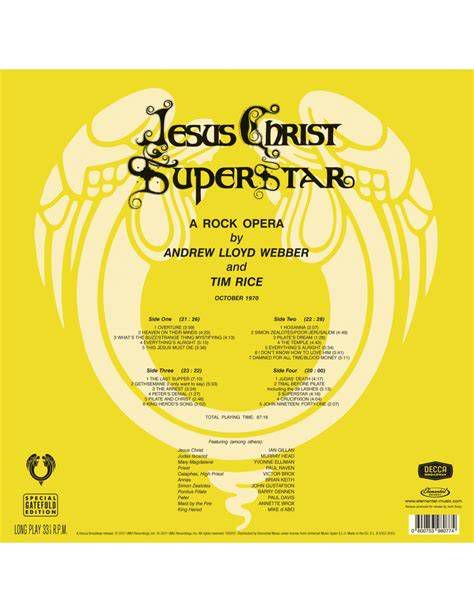
"Jesus Christ Superstar" revolutionized the landscape of musical theatre with its combination of rock, gospel, and classical elements. Originally conceived as a concept album, the show has since become a global phenomenon, spurring countless productions, adaptations, and a passionate following that spans generations. The original London cast recording stands out as a landmark in both theatrical and musical history, revealing the innovative process behind its creation and the enduring impact of its music.
The Origins: From Napkin Sketches to Concept Album
Andrew Lloyd Webber and Tim Rice initially considered writing a story about Moses following the successful performance of "Joseph and the Amazing Technicolor Dreamcoat" at St. Paul's Cathedral. As talks of a follow-up to "Joseph" grew, Tim Rice became intrigued by a Bob Dylan lyric, "Did Judas Iscariot have God on his side?" This fascination with Judas in the context of Roman-occupied Israel led the duo to explore dramatizing Jesus's final days, eventually focusing on Judas's perspective. The tune that became "Superstar" began as a melody Andrew wrote on a table napkin at Carlo’s Place in Fulham, with original lyrics referencing the "first book of Samuel."
Their collaborative process involved experimenting with stories and music, including the development of a musical about England’s Richard the Lionheart called "King Richard." Melodies from this project, like "Saladin Days," were eventually repurposed into key pieces of "Jesus Christ Superstar," notably "King Herod’s Song." This reworking of earlier material demonstrates Lloyd Webber and Rice's adaptive creativity.
Securing Industry Support and Early Recording Efforts
In early 1969, Andrew Lloyd Webber sent the "Joseph" album to Sefton Myers, a showbiz property man, seeking support. Impressed by the album, Myers and his advisor David Land swiftly offered Andrew a management contract with a three-year guaranteed income. Working with Land opened new opportunities for Lloyd Webber and Rice as they continued shaping their new rock opera.
By Summer 1969, with "Superstar" completed, Lloyd Webber and Rice shared their vision for a musical about Jesus with Mike Leander (A&R chief at MCA Records) and Brian Brolly, the British office boss at MCA. Leander and Brolly enthusiastically supported the recording of a single, championing the project with the resources necessary to realize their ambitious blending of musical genres.
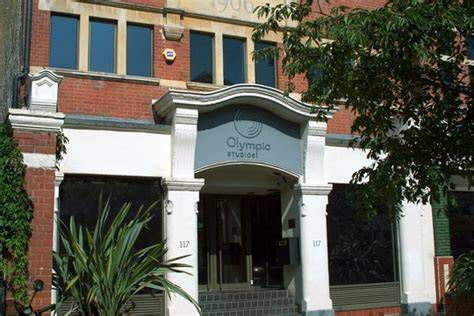
Lloyd Webber envisioned "Superstar" as a fusion: symphony orchestra, soul brass, gospel choir, and rock group, highlighted by Murray Head’s bluesy lead vocal. The recording took place at Olympic Studios in southwest London, with the Trinidad Singers providing gospel choir vocals, and Sue, Sunny, and Lesley Duncan forming the soul section.
Endorsements and Release Strategy
Recognizing the controversy their work could spark, the creators sought the endorsement of leading clergyman Martin Sullivan of St Paul’s Cathedral. Sullivan wrote: “Some may be shocked by this record. I ask them to listen and think again. Who are you, Jesus Christ? Is the urgent enquiry and a very proper one.”
On 21 November 1969, the single "Superstar" was released by Decca/MCA, announced as part of a forthcoming "Rock Opera ‘Jesus Christ’." Brian Brolly secured releases in every major territory, most importantly the USA (where Mike Maitland became a strong supporter). The American release followed on 1 December 1969.
Jesus Christ Superstar at the Barbican Theatre rehearsal images
In autumn 1969, the rock opera was confirmed as a double album, pushing Lloyd Webber and Rice to complete the writing for both music and lyrics by Easter. The successful completion ahead of schedule facilitated early recording at Olympic Studios. Notably, the album would rely entirely on musical numbers rather than dialogue to deliver its story, focusing on the last week of Jesus’s life.
Details of the Original London Cast Recording
The original album featured the Eurovision Song Contest entry "Try It and See," reworked as "King Herod’s Song." On the concept album, the role of Jesus was sung by Ian Gillan, with Murray Head as Judas, Michael d'Abo as King Herod, Yvonne Elliman as Mary Magdalene, and Barry Dennen as Pilate. The album told the story of the final week in Jesus's life and was originally banned by the BBC on religious grounds, though it achieved significant commercial success, reaching #1 on the US Billboard 200 and peaking at #23 in the UK.
- Jesus Christ - Ian Gillan
- Judas Iscariot - Murray Head
- Mary Magdalene - Yvonne Elliman
- Pontius Pilate - Barry Dennen
- King Herod - Michael d'Abo
The score, with hits such as "Superstar," "Everything's Alright," and "I Don't Know How to Love Him," became widely known outside the context of the musical. Its rock-infused score and sung-through lyrics marked a stark contrast with traditional stage musicals, capturing themes of fame, revolution, radicalism, and humility. The musical’s narrative, inspired by the Gospels, follows the fractured friendship between Jesus and Judas, as well as the relationships with Mary Magdalene, the disciples, and the leadership of Rome.
Major Production History
The album's popularity led to widespread demand for stage productions. After topping charts in 1970, the first theatrical productions appeared, beginning with authorised American concerts. The world premiere and original Broadway production opened at the Mark Hellinger Theatre in October 1971, followed by the original London production at the Palace Theatre on 9 August 1972 featuring Paul Nicholas as Jesus, Stephen Tate as Judas Iscariot, and Dana Gillespie as Mary Magdalene.
The original London production became the longest-running musical in West End history, boasting over 2,620 performances and taking £7 million at the box office before closing in 1980 after 3,358 performances.
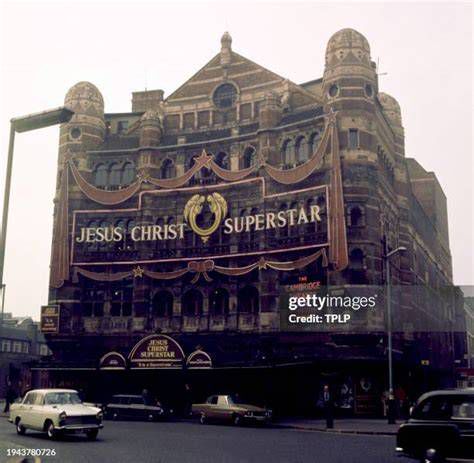
Notable cast members and productions have emerged worldwide, from Australia (Trevor White, Jon English, Michelle Fawdon) to Japan, Mexico ("Jesucristo Super Estrella"), and the US. The musical's global reach is reflected in its versatility in language, staging, and interpretation, inspiring directors and actors to experiment with characters, costumes, and settings.
| Year | Event | Key Cast/Notes |
|---|---|---|
| 1970 | Concept Album Release | Ian Gillan (Jesus), Murray Head (Judas), Yvonne Elliman (Mary) |
| 1971 | Broadway Premiere | Jeff Fenholt (Jesus), Carl Anderson (Judas), Yvonne Elliman (Mary) |
| 1972 | London Premiere, Palace Theatre | Paul Nicholas (Jesus), Stephen Tate (Judas), Dana Gillespie (Mary) |
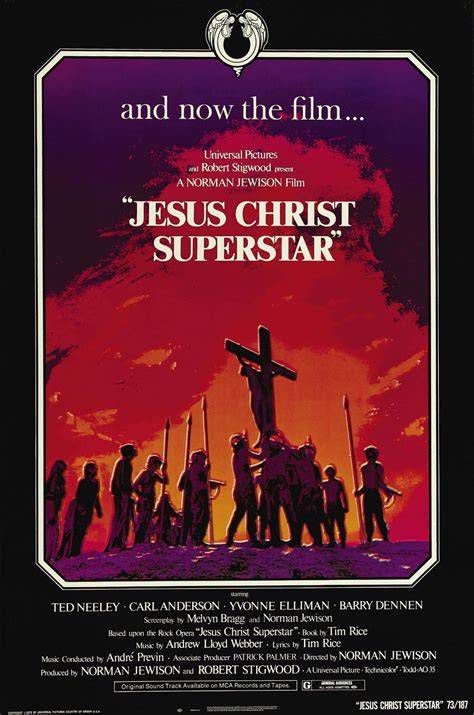
| 1973 | Film Release | Ted Neeley (Jesus), Carl Anderson (Judas), Yvonne Elliman (Mary) |
Songs and Musical Structure
"Jesus Christ Superstar" contains minimal dialogue and is driven almost entirely by its songs. Many numbers went on to become classic pop hits, and the album structure contributed to its successful transition to stage.
- "Heaven on Their Minds" - Judas
- "What's the Buzz" - Apostles, Jesus, Mary
- "Everything's Alright" - Mary, Women, Judas, Jesus, Apostles
- "I Don't Know How to Love Him" - Mary Magdalene
- "King Herod's Song" - King Herod
- "Superstar" - Judas, Soul Sisters, Angels
Controversies, Reception, and Awards
Upon its release, "Jesus Christ Superstar" courted controversy. Christian groups protested its portrayal of Jesus and Judas, and the BBC banned the album due to its religious themes. The musical's staging prompted further protests, particularly regarding the depiction of Jesus’s relationships and Judas’s role, as well as the inclusion of a drag queen King Herod in some productions.
Despite these controversies, the show was critically praised for its music and innovation. The original Broadway production received five Tony nominations and Andrew Lloyd Webber won the Drama Desk Award for "Most Promising Composer." The musical and its revivals have received various accolades, including Evening Standard Awards, Emmy Awards for televised versions, and Olivier nominations for revival productions.
| Award | Year | Category/Production |
|---|---|---|
| Tony Awards | 1972 | 5 Nominations (Original Broadway) |
| Drama Desk Award | 1972 | Most Promising Composer - Andrew Lloyd Webber |
| Evening Standard Award | 2016 | Best Musical/Revival - London Revival |
| Emmy Awards | 2018 | Technical & Variety Special - NBC Live |
Legacy and Influence of the Original London Cast Recording
The unprecedented success and longevity of the original London cast recording created a built-in fanbase for subsequent stage productions. "Jesus Christ Superstar" was the first musical by Lloyd Webber and Rice produced for professional theatre and has wowed audiences for over fifty years. Its timeless story, radical themes, and rock-driven score continue to inspire powerful new productions, including revivals, arena tours, and numerous film and television adaptations.
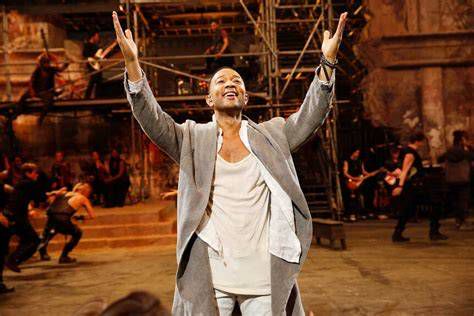
Notable celebrities have embraced roles in "Jesus Christ Superstar" both in London and worldwide, from Melanie C, Tim Minchin, Steve Balsamo, Sara Bareilles, John Legend, Boy George, and Matt Bomer, demonstrating the musical’s enduring appeal and capacity to attract talent from diverse artistic backgrounds.

Urban legend has it that John Lennon was offered the role of Jesus in 1969. While initially deemed "the worst idea in history," "Jesus Christ Superstar" broke new ground, establishing itself as a classic that reflects both its era and ongoing cultural transformations.
Fun Facts and Cultural Impact
- The main theme was sketched by Lloyd Webber on a napkin at Carlo's Place in London.
- The original album was banned by the BBC but played on Vatican Radio.
- The musical had its Broadway premiere before opening in London, which was unusual for British musicals.
- Its longest-running London production beat the record for most performances previously held by "Oliver!".
"Jesus Christ Superstar" remains a powerful, evolving work, cementing the original London cast recording as a cornerstone of modern musical theatre.
tags: #jesucristo #superstar #banda #sonora #londres