"High Sparrow," the third episode of Game of Thrones Season 5, marks a critical turning point for several of the most beloved and reviled characters in Westeros and beyond. This episode deftly weaves together political intrigue, personal transformation, and the ruthless pursuit of both justice and vengeance, setting the tone for an increasingly dark and complex season.
The North Remembers: Sansa’s Return and New Alliances
In the aftermath of Tywin Lannister's death, new alliances are forged in the North. Littlefinger (Petyr Baelish) arrives at Winterfell with Sansa Stark, revealing his plan to marry her to Ramsay Bolton, a move that shocks both book readers and show fans. The episode departs significantly from George R. R. Martin’s novels by putting Sansa, instead of a stand-in, in the role of the Bolton bride. This development introduces both opportunities and deep risks for Sansa, as she faces the family of her brother’s murderer in a calculated play for power. The North, however, seems to recognize her claim, as hinted by her chamber lady’s whisper: “The North Remembers.”
Meanwhile, Roose Bolton, aware that the Lannisters’ power is waning, looks to solidify his family's claim by wedding his legitimized son Ramsay to Sansa, the heir of House Stark. Littlefinger assures Roose of their alliance, though both men are clearly playing their own games behind a facade of partnership. The scene between Baelish and Roose, full of veiled threats and shallow promises, exemplifies the ruthlessness ruling Winterfell.

Brienne and Podrick, having followed Sansa and Baelish, watch over her from a distance. The episode offers a touching moment between Brienne and Podrick as they exchange stories-Brienne recounts her past humiliation and her loyalty to Renly Baratheon, and Pod recalls his beginnings as a squire. Brienne’s continued hope for vengeance for Renly and her growing bond with Pod mark her story with both resolve and vulnerability.
King’s Landing: The Dance of Power and the Rise of the Sparrows
Back in King’s Landing, the episode witnesses the first genuinely happy wedding in the series-Tommen Baratheon and Margaery Tyrell. Yet beneath the celebration, court intrigue is alive and well. Margaery, having “wedded and bedded her manchild,” holds the upper hand for now, skillfully manipulating Tommen and making pointed jokes at Cersei’s expense. The Queen Mother, acutely aware that her influence is fading, attempts to assert control and plot her next move.
Cersei’s position grows more precarious as the Faith finds new power in the city. After the High Septon is publicly humiliated by the religious zealots known as the Sparrows, Cersei locks him up and instead seeks audience with the movement's leader, the High Sparrow, played by Jonathan Pryce. Though Cersei believes she can form an alliance and control the new force in King’s Landing, the High Sparrow’s quiet shrewdness suggests she may be playing with fire.
Qyburn’s mysterious experiments continue in the dungeons, foreshadowing future horror, while Margaery begins to suggest Cersei should move to Casterly Rock-a not-so-subtle way to remove the Queen Mother from court.
The Wall: Jon Snow’s Leadership and Legacy
At the Wall, Jon Snow’s storyline emerges as a standout of the episode. Stannis Baratheon offers Jon true legitimization and the chance to become Jon Stark, Lord of Winterfell. Despite the lure of home and justice for his family, Jon refuses, choosing loyalty to the Night’s Watch over personal gain. He then asserts his authority as Lord Commander by naming Ser Alliser Thorne First Ranger and assigning Janos Slynt to restore Greyguard, an order Slynt refuses.
In a tense and ultimately iconic scene reminiscent of Ned Stark’s execution in Season 1, Jon has Slynt dragged outside and, despite Slynt’s pleas for mercy and confessions of lifelong fear, beheads him himself. This act cements Jon’s claim to leadership and the respect, or at least fear, of his men, while also drawing Stannis’s approving nod. The execution is a pivotal moment that signals a new order at the Wall-Jon will tolerate no insubordination, no matter how difficult the decision.
Braavos: Arya’s Trials in the House of Black and White
Arya Stark’s journey in Braavos continues with her induction into the mysterious House of Black and White. The episode captures both the ritual and the frustration of Arya’s new life-she is tasked with sweeping endless stone floors and struggling to shed her old identity. Despite being told to abandon all her possessions and become “no one,” Arya keeps her sword Needle, symbolizing her unbroken connection to her true self.
An encounter with the Waif and lessons from Jaqen H’ghar reinforce the theme of identity-can Arya truly become “no one” while still holding onto her Stark essence? Parallel to Arya’s transformation is Theon’s descent into “Reek,” a name and persona forced upon him through Ramsay’s cruelty, highlighting the episode's focus on names and personal meaning across storylines.
Volantis and Beyond: Tyrion and Varys, Captured by Jorah
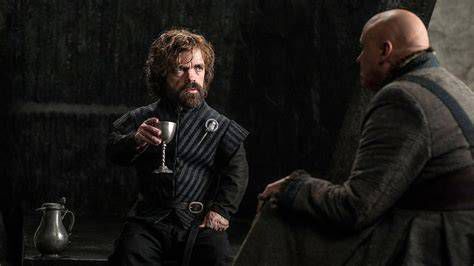
Across the Narrow Sea, Tyrion Lannister and Varys make their way through the bustling and stratified city of Volantis. They witness a red priestess fervently preaching the word of Daenerys Targaryen, cementing Dany's growing mythos as a liberator and savior. Tyrion, rattled by his past traumas, is unable to enjoy his usual pleasures at the brothel, and his true identity is recognized despite his attempts at secrecy.
As Tyrion seeks solace and relief, he is abruptly captured by Jorah Mormont, who intends to deliver him to Daenerys. This unexpected twist sets up a major new thread for the episodes to follow, while reinforcing the constant danger and shifting allegiances that define the world of Game of Thrones.
Violence, Nudity and Notable Characters
- Violence count: Two former Northern lords flayed by Ramsay, Arya’s violent introduction to the House of Black and White, the public humiliation of the High Septon, Tyrion’s capture, and Janos Slynt’s execution by Jon Snow.
- Nudity count: The wedding night of Tommen and Margaery, the High Septon’s brothel scene, and glimpses of Volantis brothels.
- Random Brit of the week: Faye Marsay as the Waif, showing both physical toughness and enigmatic intent in the House of Black and White.
Episode Reception and Critical Response
"High Sparrow," written by series creators David Benioff and D. B. Weiss, aired to high ratings-6.71 million American viewers and 2.196 million in the UK, making it one of the most-watched episodes of the season. While critics praised Jon Snow's storyline and the introduction of the High Sparrow, reactions to the show's departure from the books, especially Sansa’s storyline, were mixed. The episode’s handling of themes like family, justice, and identity, as well as its ability to balance multiple compelling plots, was widely acknowledged as a strength.
ОТЛИЧИЯ КНИГ ОТ СЕРИАЛА ИГРА ПРЕСТОЛОВ
| Setting | Key Characters | Major Events |
|---|---|---|
| Winterfell | Sansa Stark, Littlefinger, Roose & Ramsay Bolton | Sansa’s betrothal to Ramsay, political plotting |
| King’s Landing | Cersei, Margaery, Tommen, High Sparrow | Royal wedding, rise of the Sparrows, Cersei seeks alliance |
| The Wall | Jon Snow, Stannis, Davos, Slynt, Thorne | Jon’s leadership, execution of Slynt, tensions within the Night’s Watch |
| Braavos | Arya, Jaqen H’ghar, The Waif | Arya’s initiation into the House of Black and White |
| Volantis | Tyrion, Varys, Jorah Mormont | Tyrion’s capture by Jorah, religious fervor for Dany |
Thematic Elements and Narrative Structure
"High Sparrow" explores the significance of names and identities, both chosen and imposed-a running theme for Jon, Sansa, Arya, and Theon. Whether embracing, discarding, or redefining their names, these characters are in the process of shaping their destinies amidst the violent and unpredictable landscape of Westeros. The episode’s transitions-from the wedding in King’s Landing to the stone halls of the North, the shadowy House of Black and White, and the sunlit streets of Volantis-reflect the breadth and depth of the Game of Thrones world.
Ultimately, "High Sparrow" stands as a powerful episode in Game of Thrones’ fifth season, highlighting a world in transition, where vengeance and ambition run alongside the human desire for belonging and justice, and where the struggle for power continues to reshape not only the realms of Westeros, but the very souls of its people.