Maybe a friend or coworker invited you to attend a Bible study or worship service of the Iglesia Ni Cristo, but you’re on the fence about the invitation. Or, maybe you found the Church Of Christ after googling religious topics.
Whatever it may be, the main point is that you’re a little uneasy about accepting an invitation. I still remember the first time I accepted an invitation to attend a Bible study. It was all so new and overwhelming at first.
What makes Iglesia Ni Cristo distinct?
We get this question a lot since many churches go by the name “Church Of Christ” in many cities across the US. So what makes this Church different?
The Iglesia Ni Cristo was registered in the Philippines in 1914. Iglesia ni Cristo was founded by Felix Manalo in 1914 in the Philippines. In 1914, Felix Manalo registered the name Iglesia Ni Cristo as a religious group in the Philippines.
Learn the significance behind the timing of its registration in the Philippines and the outbreak of World War 1.
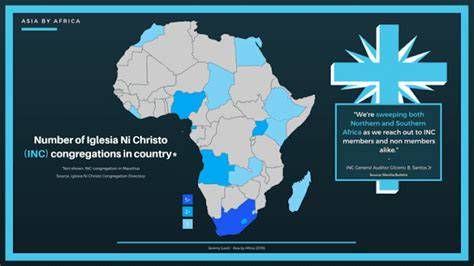
The Church Of Christ has congregations around the world and members from over 147 ethnicities. Currently, the group has millions of adherents all over the world.
Name and identity
The phrase “Iglesia ni Cristo” is Tagalog (the language of the Philippines) for “Church of Christ.” They can point to some verses in the Bible which use the phrase “church of Christ.” Most notably, they point to Romans 16:16, which says, “Greet one another with a holy kiss. All the churches of Christ greet you.”
However, in this verse, the “churches of Christ” isn’t referring to the name of a particular church, but to all the churches that Paul visited that followed Jesus Christ. Whether or not a church is named the “Church of Christ” is irrelevant.
Core doctrinal method: Bible-only answers
In the Iglesia Ni Cristo (Church Of Christ), we use only the Bible to answer questions that are asked. Question and answer. The answers are from the Bible.
Like we mentioned earlier, everything we believe and follow in the Church Of Christ is Bible-based. We’ve got a series of lessons breaking it down with Bible verses for you to follow along and ask questions.
Understanding and authority
Throughout their literature, there are numerous statements that the Bible is the sole source of authority, and that there are no other creeds the Iglesia Ni Cristo follows except the Bible. The group states: “We believe that the Bible is the word of God, however, the Bible is not an ‘open book.’”
They explain “those who strive to understand the Scriptures through their own worldly knowledge will never be able to come to the knowledge of the truth…” What can be done so that a person can understand the message? The person must go to “those who are sent by God.”
Christology: Who is Jesus in Iglesia Ni Cristo?
We believe that Jesus Christ is a man and thus, not God. We believe that Jesus Christ is a man and thus, not God. This might be completely different from what you grew up believing.
Is God a Man?
According to the group, Jesus is a man, but is worshiped. When we go to the Bible, those two ideas cannot be consistently maintained.
Common biblical passages in the conversation
- Matthew 14:33 indicates that those who saw Jesus walk on water “worshiped Him.”
- John 9:38 reveals that the blind man, whom Jesus had healed, later confessed his belief in Jesus as the Son of God and “worshiped him.”
- After Mary Magdalene and the other women visited the empty tomb of Jesus, and the risen Christ appeared to them, “they came and held Him by the feet and worshiped Him.”
- Jesus once stated during His earthly ministry, “[A]ll should honor the Son just as they honor the Father. He who does not honor the Son does not honor the Father who sent Him.”
Angels, idols, and humans are all unworthy of the reverent worship that is due only to God. Unlike good men and angels in Bible times who rejected worship, Jesus unhesitatingly received glory, honor, and praise from His creation.
Salvation, baptism, and church membership
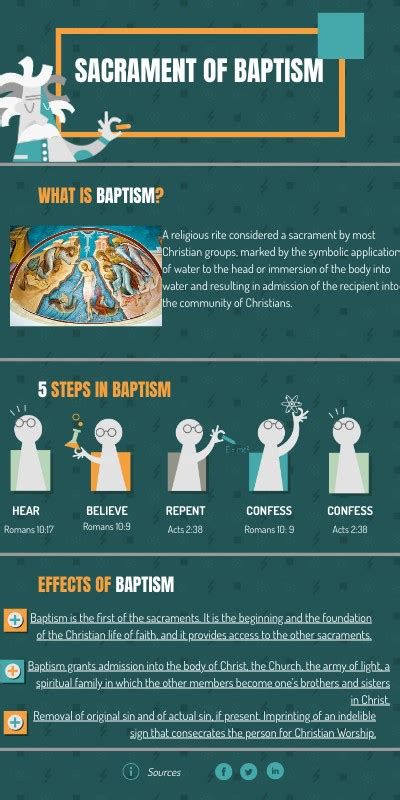
The Bible teaches that to qualify for baptism, one should be taught the words of God, believe in them, repent, and renew his life (Mark 16:15-16; Acts 2:38, Ephesians 4:21). Depending on who you ask and where the group is working, there can be a process of some six months before a “believer” is permitted to be baptized.
The Iglesia Ni Cristo claims to be the only true Church of Christ. According to this group, if you are not a member of the Iglesia Ni Cristo, as organized by Felix Manalo starting in the Philippines in 1914, you cannot go to heaven.
Offerings and giving
Here, we can see what God’s command to the Christian is. He was specific. First of all, who should give? What did He say? Each one should give. How should our offering be given? The Bible says, “as he purposes in his heart.” So not 10% anymore as it was during the Old Testament times.
Practices and worship life
Since the Bible prohibits adding to or subtracting from what is written in it, we don’t follow any religious holidays rooted in pagan beliefs. They often host large dinner parties and sign up many families through these meals.
The Church Of Christ has congregations around the world and members from over 147 ethnicities. They are a zealously evangelistic group with an estimated number of 3 to 10 million adherents worldwide (though actual membership numbers are difficult to find).
What to expect if you visit
We’d love to help clarify the questions or misconceptions you may have about the Church Of Christ. We’ve got a series of lessons breaking it down with Bible verses for you to follow along and ask questions.
If you’re hesitant about attending an event, why not set up a one-on-one meeting with a minister of the Church Of Christ.
Prophecy claims and historical origin
Some of his claims are that the Iglesia ni Cristo was prophesied in the Bible. The specific prophecy quoted is Isaiah 43:5-6, “Fear not, for I am with you; I will bring your offspring from the east, and from the west I will gather you.
Learn the significance behind the timing of its registration in the Philippines and the outbreak of World War 1. So what makes this Church different? Well, how many of those churches have biblical prophecy as evidence of their authenticity?
Felix Manalo and leadership claims
Felix Manalo was a former Catholic who abandoned Catholicism in his teens. He experimented with several Protestant denominations and the Jehovah’s Witnesses.
Manalo finally started his own church, the Iglesia ni Cristo, in 1914. The idea that Felix Manalo is God’s last messenger who must explain the meaning of the Bible in order for people to understand it properly is false.
Selected claims compared with common Christian interpretations
- The Iglesia Ni Cristo claims to be the one, true Church of Christ because they are called “the Church of Christ” and they can point to some verses in the Bible which use the phrase “church of Christ.”
- However, in this verse, the “churches of Christ” isn’t referring to the name of a particular church, but to all the churches that Paul visited that followed Jesus Christ.
- They also read from a mistranslation of Acts 20:28 that reads “church of Christ,” but the actual Greek reads “church of God.”
- The most obvious and most egregious error taught by the Iglesia Ni Cristo is that Jesus is not God.
Scripture sufficiency discussion
First, 2 Timothy 3:16-17 states, “All Scripture is given by inspiration of God, and is profitable for doctrine, for reproof, for correction, for instruction in righteousness, that the man of God may be complete, thoroughly equipped for every good work.”
Indeed, Paul stated it well when he explained to the Christians in
Iglesia ni Cristo: догматы и верования - подробное объяснение
Если вы получили приглашение на Bible study или богослужение Iglesia ni Cristo и сомневаетесь, стоит ли принимать приглашение, этот материал даст ясное представление о основных учениях и особенностях группы. В тексте используются предложенные вами идеи и формулировки, переставленные и дополненные для связного изложения.
Что такое Iglesia ni Cristo и откуда она взялась
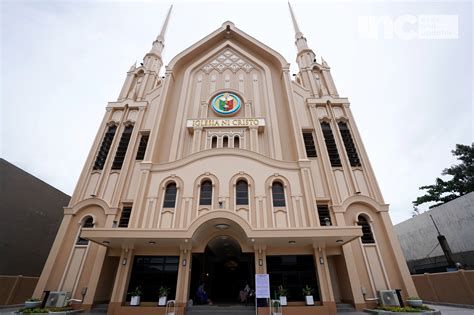
Iglesia ni Cristo была зарегистрирована в 1914 году на Филиппинах, и её основал Феликс Манало. Филиппинский контекст и история регистрации тесно переплетаются с периодом Первой мировой войны и политическими процессами того времени. Фраза «Iglesia ni Cristo» по-тагальски означает «Церковь Христова».
Ключевые верования: Бог, Иисус и Троица
Главное учение Iglesia ni Cristo состоит в том, что Иисус Христос - человек и потому Богом не является. Это положение радикально отличается от традиционного христианского понимания Троицы и божественности Иисуса Христа.
Они отрицают доктрину о Боге-Личности как Человеке и утверждают, что Святой Дух - безличная сила, а не отдельная Личность Божественной Троицы. Эти положения считаются основами их богословия и служат критерием различения от других христианских конфессий.
Библия как источник истины и роль лидеров
В Iglesia ni Cristo говорят, что все вопросы отвечаются только Библией и что ответы берутся из Писания. Однако внутри группы существует утверждение, что Библия не «открытая книга» и её понимание возможно только через учение «посланников Бога», таким образом - через учение Феликса Манало и его последователей. Тексты часто приводятся так, будто их интерпретация требует помощи специальных наставников.
К спасению и крещению
Верующие для крещения должны быть обучены словам Бога, верить им, раскаяться и обновить жизнь. Это следует из библейских ссылок (Mark 16:15-16; Acts 2:38; Ephesians 4:21). В группе подчеркивают, что спасение связано с верой и правильным обучением, а не только с «моральными» поступками.
Практики и организация
Сторона практик Iglesia ni Cristo характеризуется строгой дисциплиной и централизованной структурой. Говорят, что во многих регионах есть сотни локальных общин, и церковь стремится к быстрому росту через активное евангелизирование. В некоторых странах существуют собственные ритуалы и обряды, которые отличаются от других христианских конфессий, что становится предметом критики со стороны сторонников традиционного христианства.
Критика и контекст
Критики указывают на несколько проблематичных элементов доктрины: отрицание божественности Иисуса, отрицание Троицы и утверждение, что только Iglesia ni Cristo обладает «истинной церковью» и способом спасения. Также подчёркивается, что при заявлении о единстве и полноте Библии, существуют дополнительные учения и «посланники», которые, по мнению критиков, расширяют авторитет группы сверх Писания.
Как распознать и понять учения на практике
Вопросы к вере необходимо задавать открыто и честно: кто имеет право толковать Писание, как следует относиться к другим христианским общинам и каковы основы спасения. В тексте приводятся примеры того, как Иисус принимал поклонение и как это влияет на понимание его божественной природы в контексте спорного учения Iglesia ni Cristo.
История и распространение
Манало и его движение получили широкое распространение по всему миру, что привело к появлению множества общин и большую публику, но при этом вызывают вопросы о соответствии традиционному христианскому учению и ее трактовке Писания. В некоторых источниках подчеркивают, что движение иногда акцентирует уникальные «спасительные» правила и регламенты, которые выходят за рамки обычной христианской практики.
Практическое руководство для новичков
Если вы все же решили посетить мероприятие Iglesia ni Cristo, можно предложить некоммитированное общение: организовать личную встречу с пастором церкви, чтобы задать вопросы и получить ясные разъяснения относительно учений и практик.
Дополнительные факты и ссылки
История регистрации Iglesia ni Cristo в 1914 году на Филиппинах и их стремление к глобальному миссионерскому движению объясняют значительный рост и влияние группы в современном мире. Важной темой остаются вопросы о божественной природе Христа, Троице и авторитете Писания в сравнении с учениями этой конфессии.
- История основания и регистрации в 1914 году
- Основные доктринальные положения: Иисус как человек, не Бог
- Роль Библии и учений «посланников»
- Критика по отношению к Троице и Божеству Христа
Если вам нужна конкретика по отдельным пунктам, можно дополнить статью дополнительными библейскими отрывками и ссылками на источники, чтобы предоставить максимально честное и сбалансированное представление о Iglesia ni Cristo и его учениях.