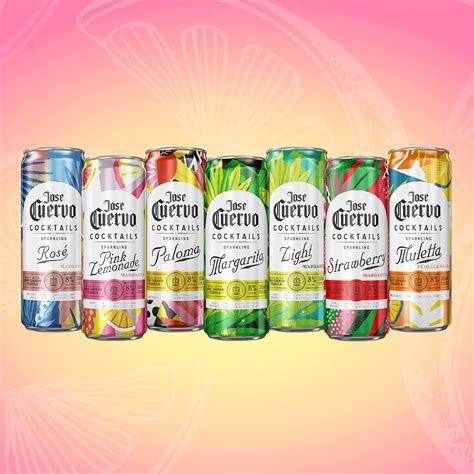
When it comes to tequila, few names command the respect, reverence, and recognition quite like José Cuervo. For over two and a half centuries, this tequila titan has not only defined what tequila is but also shaped how the world experiences it. The journey of José María Guadalupe Cuervo and his family is not merely the story of a brand-it is the foundational history of Mexico’s national drink and a cultural institution known worldwide.
Origins: From Agave Wine to Tequila
The drink now known as tequila was originally called Agave wine, an ancestral beverage enjoyed in western Mexico since pre-Hispanic times. With the arrival of the Spaniards in the 16th century, the distillation of fermented agave became more commonplace, giving rise to the distillate currently known as tequila. By the year 1742, Mezcal had become more popular than the native pulque, and families began to produce mezcal in larger quantities for commercial markets.
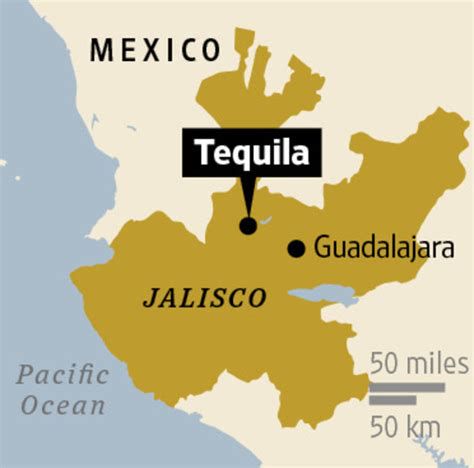
In this era, Don José Antonio de Cuervo and Malaquisa, his business partner, registered to produce Mezcal Wine at their tavern, La Chorrera, located in La Cofradia de las Animas. In 1758, King Ferdinand VI of Spain granted José Antonio de Cuervo a parcel of land in the town of Tequila, Jalisco, Mexico. On this land, Cuervo began cultivating the blue agave plant-the heart and soul of tequila.
The Cuervo Family's Early Legacy
Not much is known about Don José Antonio de Cuervo’s early life. Reports suggest he was a farmer, although it isn’t clear what he grew prior to cultivating blue agave. By setting into motion the recipe for success, Cuervo's vision was beginning to pay off within two decades. His family was producing 800,000 liters of ‘Mezcal Wine’, or Tequila, per year by 1781. In November 1758, José Antonio de Cuervo y Valdés y García de las Rivas received a Landownership Decree, recognizing him as the owner of the "Solar of the Ánimas", covering 14.26 hectares and specializing in agave cultivation and tequila production.
His older son José Prudencio de Cuervo y Montaño increased the capital through tireless work as a trader and farmer. He personally handled distillation and barrel filling, negotiating agave plants for the expanding industry.
José María Guadalupe Cuervo: The Pivotal License
The youngest of the family, José María Guadalupe de Cuervo y Montaño, emerged as a pivotal figure in tequila’s history. In 1795, after Mexico loosened restrictions on liquor production, he asked the King of Spain for authorization to distribute mezcal wine and obtained the Royal Certificate, marking the official founding of the José Cuervo brand. It became the oldest active tequila distillery in the world.
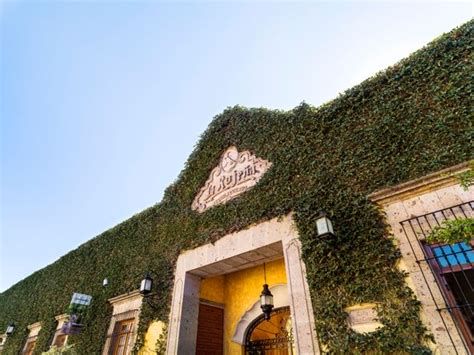
He built the first distillery or "tavern" to process the juice of the mezcals-La Rojeña-which still operates to this day and can be visited in its original form as built by ancestors during viceroyal times.
Family Expansion and Innovations
María Magdalena de Cuervo y Carrillo inherited several properties in Tequila from her father José María Guadalupe and uncle José Prudencio. María Magdalena married José Vicente Albino Rojas y Jiménez in 1810, who inherited the tavern after her death in January 1815. José Vicente transformed the Taberna de José Cuervo into the La Rojeña mezcal wine factory.
By 1842, La Rojeña was producing 400 barrels per week. By 1849, based on demand from the "gold rush" in High California, La Rojeña’s products were marketed through the Port of San Blas to San Francisco. The distillery was among the ten most important mezcal wine factories in Tequila.
Industrial Expansion and Modernization
The assets and fortune of the company increased under Jesús Flores y Ponce, who became municipal president of Tequila in 1879 and joined La Rojeña as administrator. He bought rights to ranches and agave fields, became owner of the estate in 1880, and leveraged the arrival of the railway in Guadalajara (1888) to expand the market into the United States and Europe. Flores began to pack tequila in glass bottles called "damajuanas", whereas previously it was sold in barrels.
In 1891, President Porfirio Díaz awarded Flores a gold medal and recognition for product quality. Flores changed the name of the distillery from "La Rojeña" to "La Constancia".
Legacy Through Leadership and Philanthropy
Ana González-Rubio y de la Torre, second wife of Flores, became universal heiress to the estate and business after his death in 1898, acquiring further properties and showing great leadership skills in difficult times. Ana married José Cuervo Labastida y Flores in 1900. At the time, José was the manager of La Constancia, and both sponsored numerous initiatives in Tequila-expanding the Plaza de Armas, paving streets, bringing water to houses, repairing schools, and donating land for the municipal cemetery.
The couple returned the historic name of the distillery to La Rojeña and registered Jose Cuervo as a trademark. From then, the generic name "tequila" was used for the drink previously called "Agave Wine of Tequila".
Global Expansion and Modern Tequila
One of the brand’s major leaps came in 1906, when José Cuervo became the first tequila brand to bottle its product individually, rather than selling it by the barrel. This innovation helped establish tequila as a recognizable-and drinkable-spirit worldwide. The reputation for quality began spreading beyond Jalisco, benefiting greatly from savvy marketing and the rising popularity of the margarita cocktail in the United States in the mid-20th century.
José Cuervo set many of the early standards for tequila production, including the use of 100% blue agave and the importance of aging. Today, according to regulations, tequila must be made from blue agave grown only in Jalisco and nearby Mexican regions.
Tequila Today: Success, Variety, and Recognition
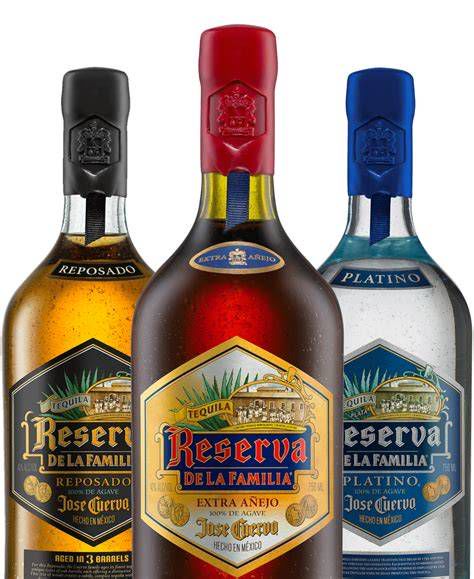
All Jose Cuervo tequila is still made in Tequila, Jalisco. Agave leaves are chopped off, the core is cooked and crushed, juice is extracted, fermented, and distilled. Despite being over 250 years old, José Cuervo has never lost its appeal. It remains a family-run enterprise, producing world-renowned expressions such as José Cuervo Especial, Reserva de la Familia, Tradicional Reposado, and Aniversario. The Cuervo Platino Reserva de la Familia was introduced in 1995 to celebrate the 200-year anniversary of the Cuervo brand. Each bottle is handmade, numbered, dated, and sealed in wax.
Reviewers have praised Cuervo’s premium tequilas: Reserva de la Familia is called “Smooth, flavorful, Agave laden and with one of the best bouquets of any spirit,” and Aniversario boasts “gentle notes of blue agave, a sweetness, and the nose was a heady rush of caramel.” The brand’s variety and quality make it a staple of celebrations, bars, and homes worldwide.
José Cuervo’s Impact on Culture and Industry
José Cuervo was a wealthy industrialist and well-liked man with significant political influence. Ted Genoways argues in his book Tequila Wars that Cuervo may be Mexico’s most famous person ever, yet many do not realize José Cuervo was a real person, not just a brand. The Cuervo family were already powerful figures in the Tequila Valley long before José’s birth in 1869. Early years of tequila production were fraught with disaster-pests destroying agave and counterfeit tequilas harming the industry’s reputation-but it never stopped the family from pursuing excellence.
Cuervo’s leadership through decades of contests, revolutions, and industrial innovations ensured tequila would become Mexico’s national drink. The company not only expanded production and maintained quality but also revolutionized packaging, marketing, and global distribution.
| Year | Milestone | Key Family Member |
|---|---|---|
| 1758 | Cuervo family receives land grant in Tequila | José Antonio de Cuervo |
| 1795 | First official license to produce tequila granted | José María Guadalupe de Cuervo |
| 1842 | La Rojeña produces 400 barrels per week | José Vicente Albino Rojas |
| 1888 | Railway connects, expanding exports | Jesús Flores y Ponce |
| 1900 | Jose Cuervo brand officially named | Ana González-Rubio & José Cuervo Labastida |
| 1906 | Bottling individually begins | Cuervo Family |
| 1995 | Reserva de la Familia introduced | Cuervo Family |
Enduring Legacy
Whether served alongside Spanish tapas or Mexican-inspired cuisine, Jose Cuervo brings the authentic spirit of Mexico everywhere it is poured. From the earthy, peppery notes of José Cuervo Especial to the luxurious complexity of Reserva de la Familia, there’s a Cuervo expression for every palate and occasion. José Cuervo currently holds over a third of the tequila market share worldwide.
Cómo se elabora el icónico TEQUILA JOSÉ CUERVO en la fábrica
On one hand, José María Guadalupe Cuervo might feel great pride in seeing his dedication become a global symbol. On the other, his heartfelt passion for fine tequila surely hoped the drink would remain a mark of excellence. His business is still run by his family, as he wished, and the company continues to honor his legacy through quality, innovation, and cultural impact.