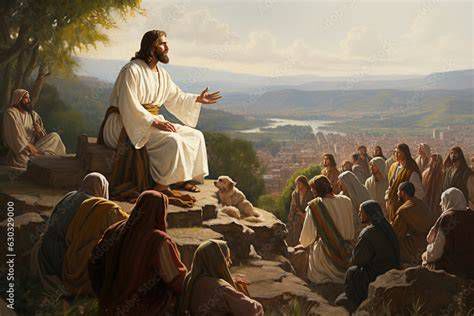
The Beatitudes, found at the beginning of Jesus’ Sermon on the Mount in the Gospel of Matthew (5:3-12), are among the most influential and profound teachings in Christian history. In these blessings, Jesus lays out a radically counter-cultural vision of the Kingdom of Heaven, describing the values and character traits of those who belong to it. Unlike worldly definitions of happiness or success, the Beatitudes introduce a new paradigm: true happiness and blessedness are found in humility, mercy, purity, and enduring hardship for righteousness, not in wealth, power, or fame.
The Context and Structure of the Beatitudes
The Beatitudes serve as a kind of preamble to the Sermon on the Mount, summarizing the ethos Jesus would reveal in the subsequent chapters. Matthew places this sermon in the context of Jesus’ growing influence, following his miracles and healings and presenting his message to crowds suffering under Roman occupation and social marginalization. Unlike the prevailing belief that material blessings are signs of God’s favor, Jesus proclaims that spiritual poverty, mourning, meekness, and hunger for righteousness are the true keys to divine blessedness.
The name “Beatitude” is derived from the Latin beatitudo, meaning “blessedness.” In the original Greek, the word makarios is used, traditionally rendered as “blessed,” though some translations use “happy” or “fortunate.” However, the Beatitudes communicate much deeper and enduring states than mere temporary happiness.
Table: The Eight Beatitudes and Their Promised Blessings
- Poor in spirit: Theirs is the kingdom of heaven.
- Mourners: They will be comforted.
- The meek: They will inherit the earth.
- Those who hunger and thirst for righteousness: They will be filled.
- The merciful: They will be shown mercy.
- The pure in heart: They will see God.
- The peacemakers: They will be called sons of God.
- Those persecuted for righteousness: Theirs is the kingdom of heaven.
Meaning and Explanation of Each Beatitude
Blessed are the poor in spirit
The first Beatitude says, “Blessed are the poor in spirit, for theirs is the kingdom of heaven.” Spiritual poverty is an acute awareness of our need for God-a humility that recognizes our inability to earn salvation or righteousness by ourselves. The poor in spirit acknowledge their own spiritual destitution and turn to God for grace and renewal, unlike the prideful religious leaders Jesus opposed. This virtue is opposed to spiritual self-sufficiency and is the foundation for all other Beatitudes.

Blessed are those who mourn
“Blessed are those who mourn, for they will be comforted.” Mourning here extends beyond personal loss-it includes grieving over sin and its effects on the world. Godly sorrow leads to repentance, and through this journey, believers find comfort in God’s forgiveness and presence. This Beatitude does not exclude joy; it highlights the paradox that comfort and blessing can arise in life’s deepest sorrows, especially when mourning over our separation from God.
Blessed are the meek
“Blessed are the meek, for they will inherit the earth.” Meekness means gentleness and selflessness-not weakness. Jesus lived this virtue, surrendering his rights and serving others even unto death. The meek inherit the earth because they seek God’s will and trust in his provision, rather than force or domination. Their contentment allows them to enjoy more of life both now and in the promised future.
Blessed are those who hunger and thirst for righteousness
“Blessed are those who hunger and thirst for righteousness, for they will be filled.” Righteousness involves justice, personal ethical living, and longing for God’s saving presence. This Beatitude speaks to those desperate for justice and holiness, promising satisfaction both now and in God's ultimate reign. It reveals spiritual maturity, indicating a heart transformed by God’s love.

Blessed are the merciful
“Blessed are the merciful, for they will be shown mercy.” Mercy is forgiveness and compassion, given to others because God has shown us mercy first. It is an attitude that reflects God’s own nature and opens us to receive his loving kindness. Jesus demonstrates that entrance into the kingdom is not earned but given freely to those who extend mercy, echoing Micah’s call: “To act justly, love mercy, and walk humbly with your God.”
Blessed are the pure in heart
“Blessed are the pure in heart, for they will see God.” Purity begins in the heart, rather than external observance of religious laws. Jesus teaches that a heart cleansed by God’s spirit will produce true external righteousness. The pure in heart, freed from evil desires and hypocrisy, are promised the privilege of experiencing God’s presence both now and in eternity.
Blessed are the peacemakers
“Blessed are the peacemakers, for they will be called sons of God.” Peacemakers bring reconciliation, not just the absence of conflict, but active restoration and harmony. Jesus himself is the supreme peacemaker, establishing peace between humanity and God. Peacemakers reflect this divine character-united with Christ, called his children.

Blessed are those persecuted for righteousness
“Blessed are those who are persecuted because of righteousness, for theirs is the kingdom of heaven.” Persecution is the cost of following Jesus in a world opposed to selfless love and truth. This Beatitude comforts those suffering for their faith, declaring that their loyalty binds them acutely to the kingdom for which they suffer, as Jesus Himself endured insults, abuse, and crucifixion for righteousness. It is not a call to seek persecution, but an assurance of blessing amid hardship.
The Role and Impact of the Beatitudes
Jesus’ Beatitudes confront conventional definitions of blessing and happiness. While the world exalts the rich, powerful, and famous, Jesus celebrates humility, compassion, and sacrifice. The Beatitudes, therefore, serve as a roadmap for spiritual growth, guiding believers to embrace qualities that mark a Christ-like life. They are statements of grace, not law, and should not be interpreted as entrance requirements or burdensome ethical demands. Rather, they provide guidelines for the kind of life God produces in his disciples.
The Beatitudes act as an invitation to the oppressed, the brokenhearted, and those declared unworthy, declaring the kingdom of heaven is available to them. In contrast, Jesus implicitly condemns those who trust in their own righteousness or religious accomplishments. His message was a historical indictment of the religious establishment and an opening of God’s kingdom to those who seek him sincerely.

Instructional Value for Disciples
The Beatitudes have instructional value for disciples, describing the transformation that occurs through submission to kingdom life via the Spirit. These qualities-meekness, mercy, purity-were exemplified by godly men and women in the Old Testament and made possible for all through Jesus’ ministry. The challenge is not to act from external righteousness but to allow God to transform the heart, resulting in congruence between inner and outward life.
Pope Francis has described the Beatitudes as “new and revolutionary,” noting that Jesus’ model of happiness stands in opposition to media, society, and prevailing wisdom. He encourages followers to lead lives free from material excess and to focus on Jesus, expressing moral calling and bringing about God’s reign through practical choices.
The Kingdom of Heaven
The Beatitudes are a journey to the Kingdom of God, asking us to love, promising grace, and teaching that true happiness is found in God alone. The Kingdom of Heaven is a spiritual realm where God’s goodness, love, and truth reign-a gift and promise given but yet to be fully realized.
Practical Application: Living the Beatitudes Today
- Realize our need for God (spiritual poverty)
- Participate in genuine repentance (mourning over sin)
- Adopt meekness and humility
- Pursue righteousness and justice for ourselves and others
- Show mercy to those around us
- Seek purity of heart-honest intentions, free from corruption
- Be peaceful, spreading harmony and reconciliation
- Stand firm in faith amid persecution or difficulty
Living out the Beatitudes is a lifelong journey, challenging us to allow God to renew our minds and hearts by his truth. The ultimate blessings promised in the Beatitudes-comfort, mercy, seeing God, being called children of God-are assurances that even in suffering or imperfection, God brings hope, joy, and transformation.
The Beatitudes: The Words of Jesus That Changed the World
Conclusion: The Beatitudes as a Kingdom Manifesto
The Beatitudes stand as Jesus’ kingdom manifesto, introducing principles that redefine happiness, success, and community. They invite all-regardless of circumstance-to join the way of the kingdom, offering blessings that transcend present hardship and endure into God’s eternal reign. By embracing their truth, believers discover that genuine happiness and fulfillment is found in Christ-like character, not in the fleeting values of the world.